
When something goes wrong in your neighborhood, what is your first instinct?
For most of us, it is to complain, maybe call the local authority, or wait for someone else to fix it. Why is that?
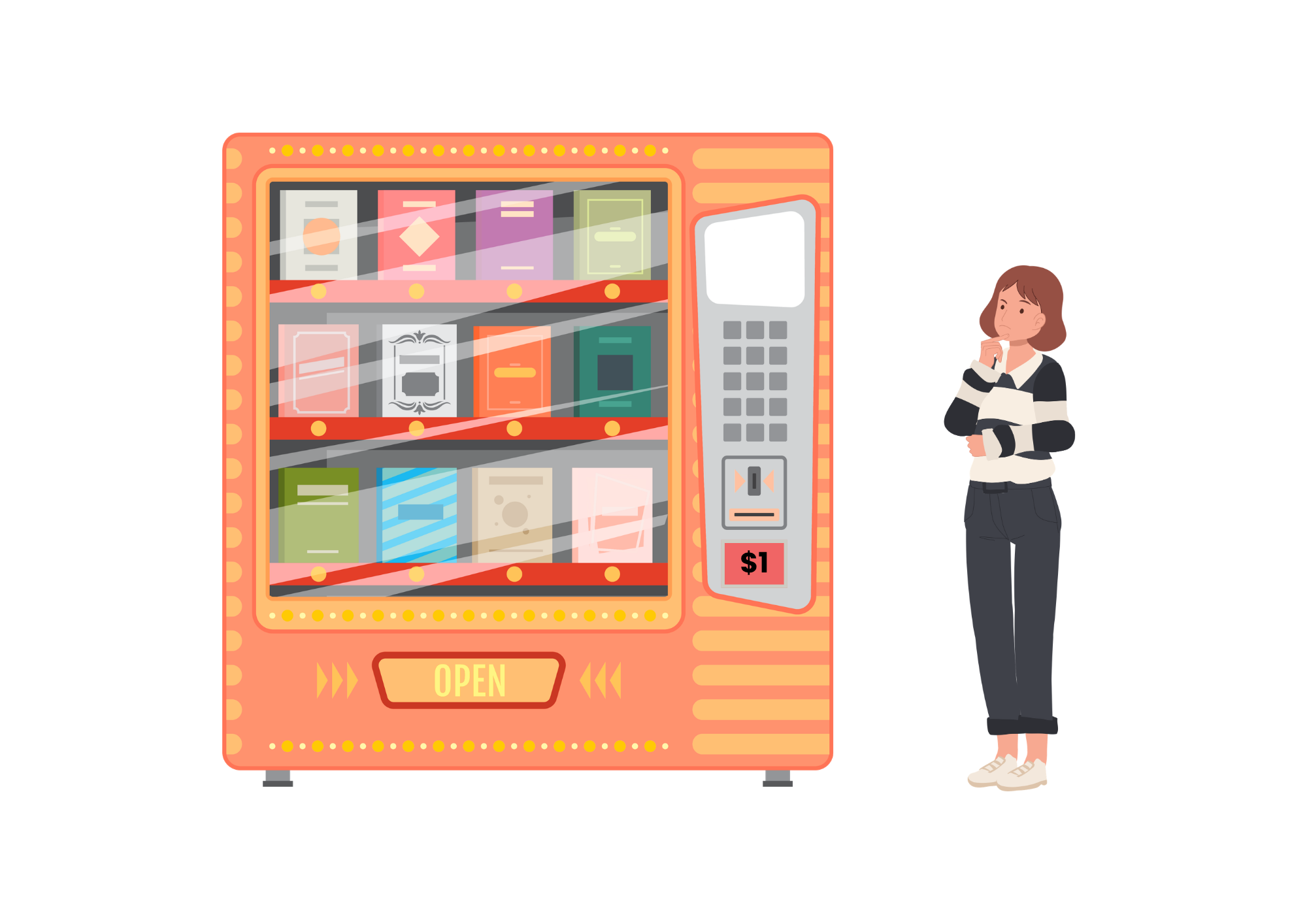
Decades of clever marketing has conditioned us to treat public life like a giant vending machine: we insert our votes, deposit our tax dollars, push the button, and often kick the machine in frustration when it fails to deliver what we want. But, thinking of ourselves purely as consumers has robbed us of some fundamental human needs, things that many of us crave: belonging, connection, meaning and purpose.
A quiet renaissance is underway; a shift away from living as passive consumers toward stepping up as active citizens, as doers. Citizenship is not just a legal status on a passport; it is an action, a contribution. American writer and speaker Baratunde Thurston calls this ‘citizening’.
We inspire and support people to think and behave as active citizens, rather than passive consumers, if they would like to. Building on our previous article called Beyond the Ballot Box: the Democracy of Doing, this article explores what we mean by these terms, why they are important and what we can do about them.
People-first language
Humans are storytelling, and crucially, also story-dwelling creatures, says British author Jon Alexander in his book Citizens. We need stories to live by. To tell us what we should do and what we should care about.
Theories and values shape stories, stories shape meaning and identity and they in turn shape choices and behaviours. Said another way, who we think we are determines what we believe, how we see the world and how we act.
People can think and behave as consumers or as citizens. For us, they are attitudes and actions, not fixed identities. As this article will highlight, we can be both in different aspects of daily life. They are choices.
The Consumer Story
Alexander argues that the story we live by today — the story we are trapped in — is the Consumer Story.
The Consumer Story, amplified by media and advertising, encourages us to pursue self-interest and material wealth. We outsource care and responsibility for public spaces and communities to someone else. The government becomes the default problem-solver, and people behave as consumers. The story assumes that this will result in the best outcomes, because humans — Consumers — are inherently and inevitably self-interested.
When the dominant narrative emphasises these stories and values, people begin to understand themselves through those lenses.
How did these concepts grow to be so prominent? Some of the ideas below are from Ed Everett in his insightful article titled ‘Community Building: How to Do It, Why It Matters’. We have also deliberately blurred the terms consumer (used by Alexander) and customer (used by Everett).
When people are treated like customers, they behave as customers. The private sector was the first to realise that this could be good for business. Customers have come to expect that their wants will be delivered, at the right time, at the right price. When they are satisfied, they become repeat customers. That's a profitable relationship.
These ideas were taken by governments and non-profit organisations and put in place, promoted by agendas such as New Public Management. Customer Service Departments were established. Staff were trained in customer service. Efficiency targets, key performance indicators and surveys became the norm.

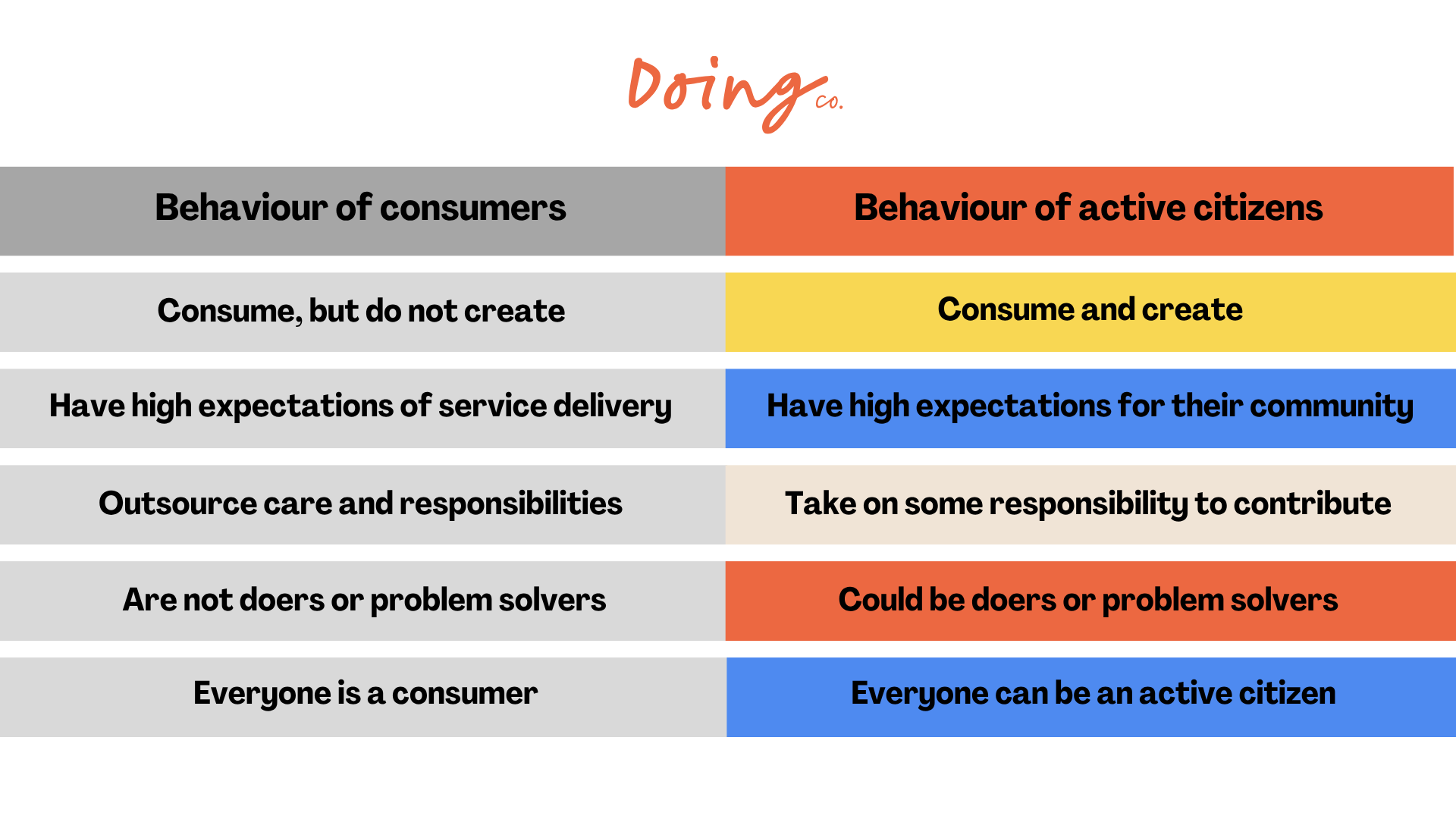
How might we characterise the behaviour of customers or consumers? For us, they:
- Consume, but do not create.
- Outsource care and responsibility to someone else, so often complain about something not working (which has pros and cons).
- Often feel entitled, which allows them to separate themselves from their communities.
- Might be disengaged or apathetic passive consumers. Or they might really care, but feel that their only option to obtain benefit or make change is to complain or advocate for someone else to do something.
- Might be more motivated active consumers, making purchasing decisions through ethical or considered framing, or actively influencing change through lobbying, or voting behaviour. But, they still think through the consumer lens.
There have been some benefits from these changes. Instead of just getting what they are given, people can now expect a reasonable level of service. They feel seen and to some degree, respected. Zooming out, consumer preferences and behaviour can also provide important signals to businesses and governments of what people want and consider to be important.
However, there are serious consequences too, because businesses and governments are not the same. They are fundamentally different.
Rage Against the Vending Machine (Model of Government)
Over time and unintendedly, communities have become recipients of services, not co-creators of solutions. A transactional ‘vending machine’ model of government, a Consumer Democracy, has emerged, where:
- Expectations of what governments can and should do have been rising around the world for decades. Yet, as expectations have risen, trust in institutions and political leaders has fallen.
- Citizens insert votes, deposit tax dollars, push a button, and expect exact service delivery.
- If they do not get what they want, they react like frustrated vending machine users: complaining, swearing, and sometimes kicking the machine.
- Governments are criticised and attacked. They then become more risk-averse, defensive and reactionary. This only exacerbates frustration and anger in the community.
- As citizens and voters disengage, the role of governments becomes even more difficult. They not only need to undertake the extensive and difficult tasks they normally do, they now face suspicion and anger at almost every turn.
This negative spiral downwards is not sustainable in a democracy. It has significant political, environmental, financial and societal costs. Over time, the Consumer Democracy doesn't work for leaders, bureaucrats, businesses nor citizens. And it definitely doesn't work for the planet! If governments can’t arrest the decline in trust and confidence in the system, then voters will choose someone who pretends that they can fix the mess. We’re now seeing the political consequences of this happen in real-time.
Going back to first principles, democracy is a story founded on the idea that broad public support and participation produce better outcomes. The health of a democracy is based on the levels of trust, care and participation of and by its people. The Consumer Democracy and the Vending Machine Model of Government are eroding trust, care and participation of and by the people. They are making us disengaged, disconnected and disempowered. They are making our society unhealthy. A quiet rage is bubbling away under the surface, and the full consequences of this are yet to be seen, particularly as times get tougher.
But, there is hope and change starts with us.
Choosing to be more than just a Consumer
Being a consumer is not something we can avoid in everyday life. We all need to behave as consumers to live in today's world. For example, when we go to a supermarket, we take what we need off the shelf and pay for it at the checkout. We don’t contribute in any way to the running of the store. We consume. And that’s fine, but that behaviour doesn’t have to define or limit us.
Whilst we all must be consumers, we can choose to think and behave as citizens, as doers, as well. Framing it as an active choice and behaviour can help to make the concept and practice more accessible and appealing. It is an invitation to connect, create and contribute, not a heavy or moral obligation. It also recognises the busy and stressful lives that most of us live.
It doesn’t have to be either Consumer or Citizen, it can be both, and … .
Choosing to behave as an Active Citizen, as a Doer
As social, economic and environmental crises build in scale and intensity, we’re seeing a shift in people’s minds. The pendulum is shifting back towards the more positive and creative Citizen Story. Jon Alexander frames this story on the belief that humans can be collaborative, creative, caring creatures who can and want to shape the world for the better. Said another way, it says we are interdependent individuals, we need each other, and do better when we work collaboratively.
Citizenship is more than just a legal status. It is a mindset and behaviour, the chance to make a contribution to the place where you are. For us, active citizenship is taking that chance. When we exercise our own agency, we can share our gifts, passions and knowledge to not only help those around us, but to be better versions of ourselves.
This isn’t a new story; it’s a renaissance of the values and traditions of how communities have operated across many cultures for centuries. Whilst it is about giving, it is also about receiving. It’s a reciprocal relationship. Thinking of ourselves purely as consumers starves us of what we crave as humans: belonging, deep connection, and a genuine sense of purpose. We are more likely to find those things through citizening.
Citizening helps to unlock latent potential that exists in every community.
Citizens think differently from consumers, and so act differently as well. They:
- Are willing to think about and contribute to the well-being of the community, not just themselves and their families.
- Recognise that personal health, status and fulfilment can be enhanced through contributing to civic life and the public domain.
- Help to shape the future, rather than just waiting for it to happen, demanding it, or dreaming about it.
- Understand that sustainable change in a community can happen only when citizens are involved, committed, and accountable for that change.
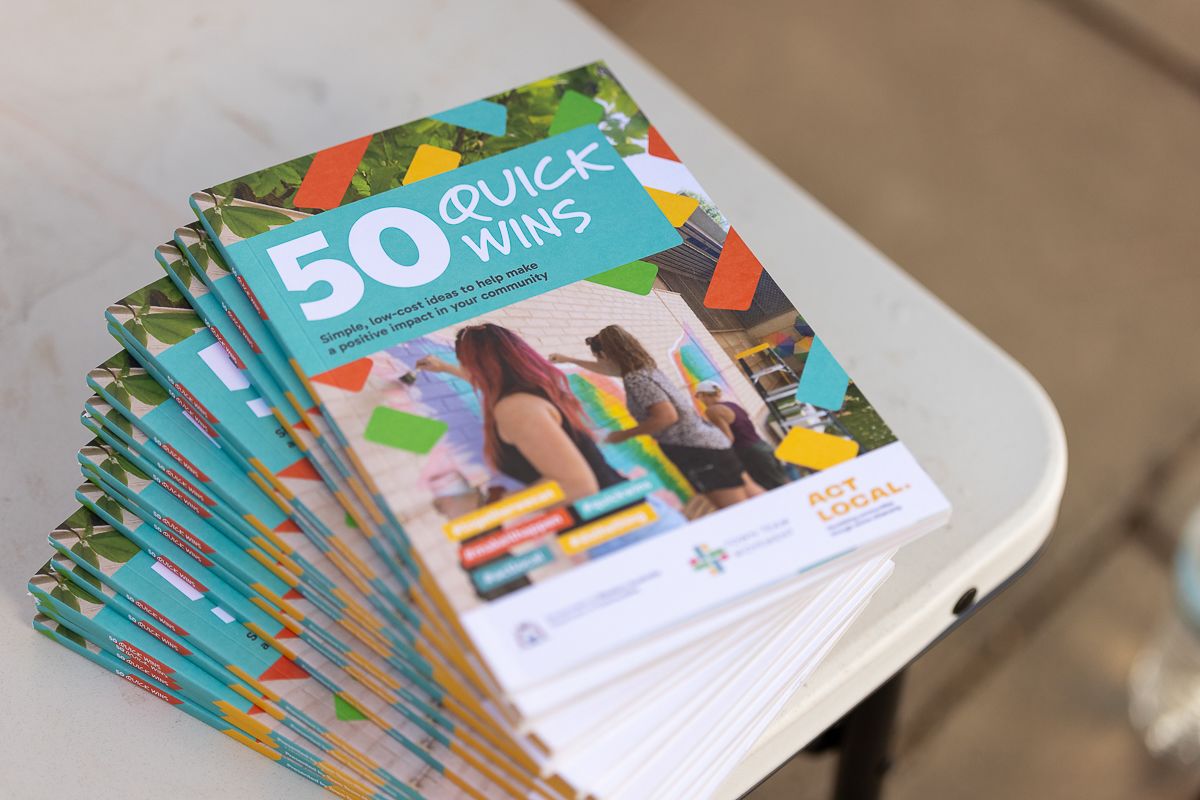
Citizenship and citizening can feel like serious and weighty responsibilities. But, they can be fun, personally beneficial and deeply meaningful. At Doing Co, we intentionally talk about doers and doing to help to make the idea of citizening more inclusive and 'doable'. If you’d like to see what it looks like, check out 84 examples in the Book of Doing or or get simple recipes to get started in our 50 Quick Wins Guide.
This can include direct action via:
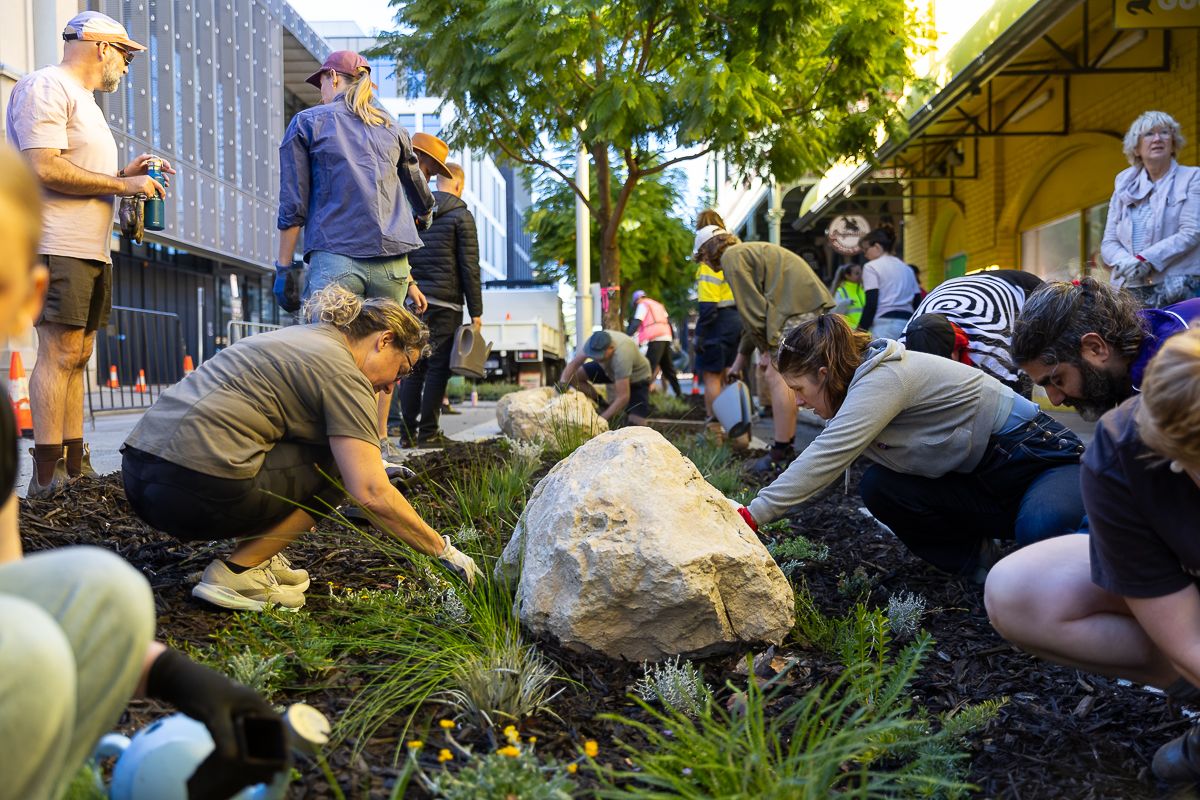
- Being an individual doer. They are people who have a go and get things done in their street or neighbourhood.
- Being a team member. They are people who join a Town Team or positive community group to help improve their place.
It can be supercharged when it involves leading, enabling and inspiring others. This could include:
- Civic leaders provide vision, inspiration and direction to others to help create positive change.
- Enablers who inspire, support and create opportunities for other people to create, achieve and shine in their own community.
- Impact makers create positive impact beyond their own community. Few in number, they can inspire significant positive impacts on a regional, national or international scale. They might say: “Here’s how we did it. You can do it too!”.
The art of knowing when people are behaving as Consumers or Doers
People will usually behave like how they are treated. For professionals and community members alike, the art is knowing when people are behaving (or could behave) as Consumers or Doers.
When people purchase something from a shop, they are consumers who are buying a product. They deserve a good quality product at a fair price. When residents pay for their rubbish to be removed by their local authority, they are consumers. They should get what they pay for.
For many of the important issues, people don’t have to be just consumers, they can be citizens, contributing in small, but important ways. Loneliness, climate change, mental health, physical health, affordable housing, crime prevention and many other important issues can’t be solved by governments or institutions alone. They need contributions from citizens to have any hope of success.
Ed Everett, a former local government leader, observes something interesting:
“A very interesting question to ask people in small groups is, How have you contributed to the issue you are complaining about? At first, you will probably get blank stares or resistance, but with some gentle nudging people will begin to realise that their contribution to an issue is most likely that they have done nothing about it.”
This sits at the heart of the opportunity. What do you care enough about to act on?
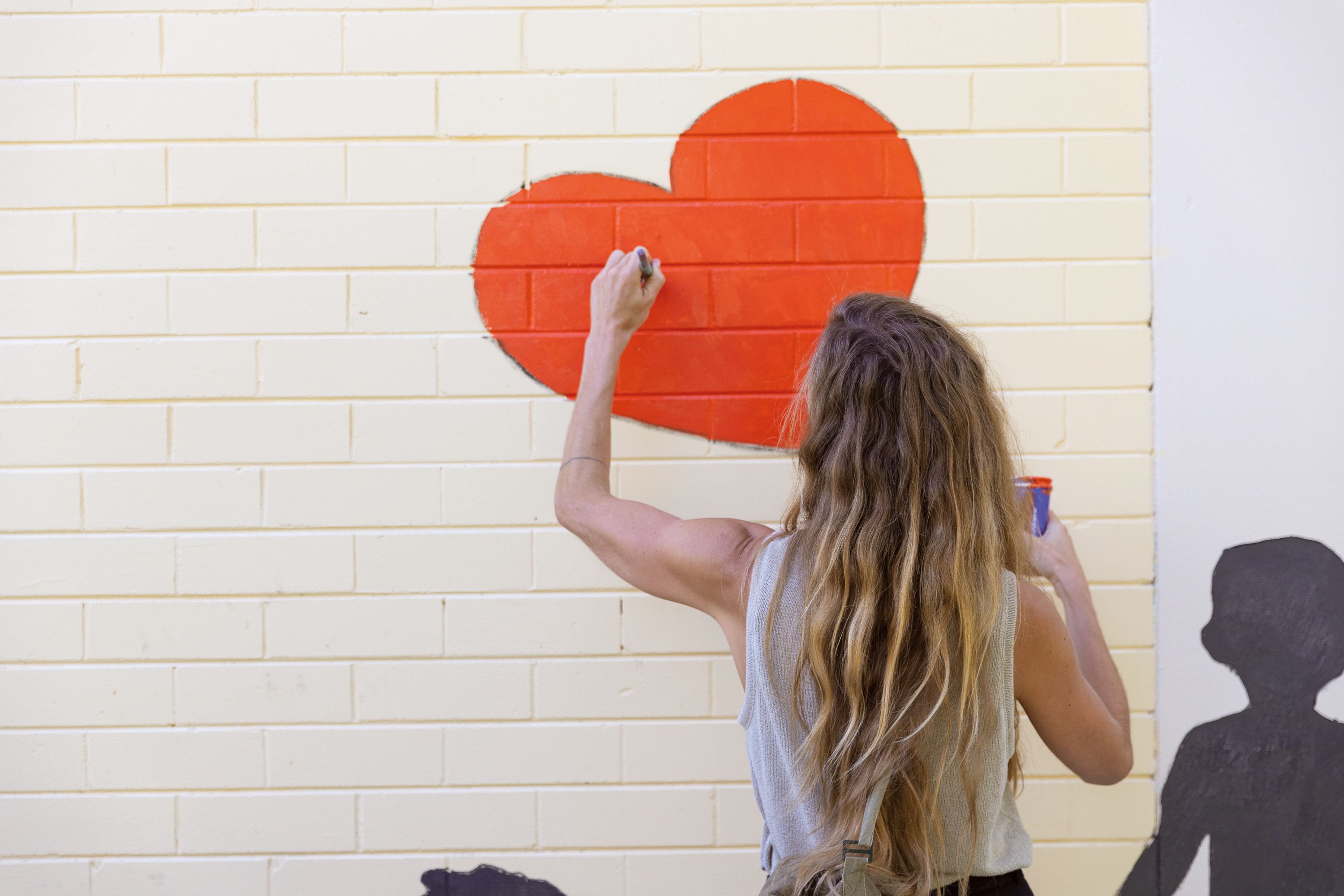
How can we spark more community-led action by treating people as potential doers with gifts, passion and knowledge to share and contribute? How could we work together to make it just a little bit better?
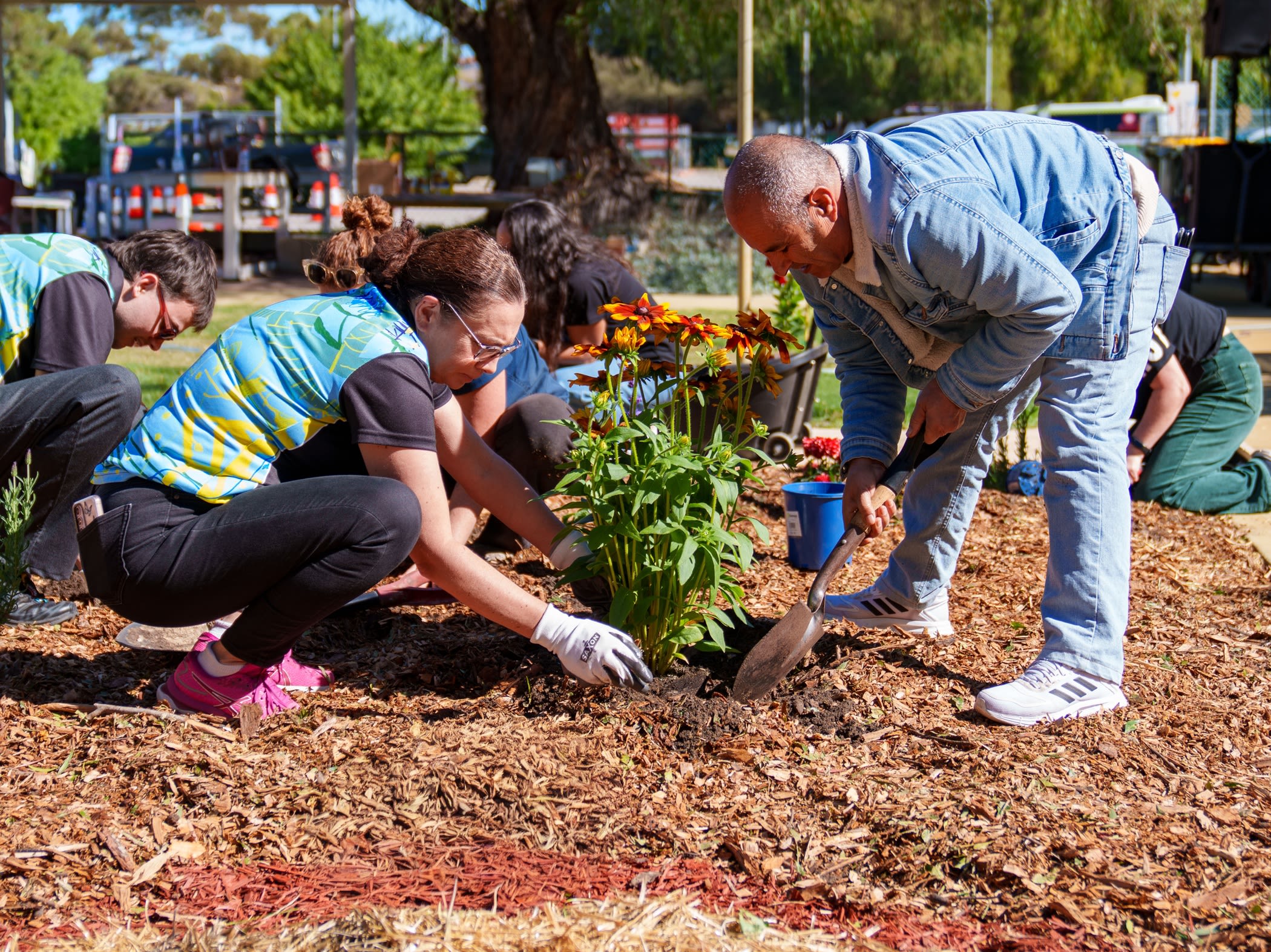
Another way to help people come together is through conversations. Encouraging a good conversation can be more important than pushing for a quick fix, because it is the seed from which relationships can grow. Some people are great conversationalists. Others really struggle. We have found that conversations between strangers, particularly when they otherwise might have quite different political views or personal preferences, can be more effective when they are doing things beside each other. This reduces the friction of feeling forced to speak to someone you don’t know, and allows trust and respect to build through the shared act of doing, together.
Doing is a muscle to be exercised
Passive consumers tell us what they want. Active citizens suggest what they want to contribute.
Doing is a muscle and community is a verb. They need to be exercised, otherwise they will wither and contract. It’s your choice. No one should reasonably expect you to drop everything and spend all day, every day citizening. But, in not contributing, you might be missing out on something important.
Doing can start small, like creating a connection with your neighbour through a small gesture like taking out their bins, mowing their lawn or cooking them a meal. Creating connections can create the confidence to do more together.
Doing doesn't require holding political office or launching a grand movement. We don’t need to wait for permission or strategies to shape our surroundings. The power to move from passive consumers to active doers has been in our hands all along. It starts with conversations, listening, and small actions on your own street.
More broadly, the opportunity is not to create more programs, but to support more people to take an active role in their communities. This means shifting from seeing people as consumers of services to contributors, connectors and leaders in their own places.
Participation is not an outcome of projects or programs. It is much more important than that. It is core community infrastructure. Like any infrastructure, it must be supported, maintained and invested in over time. This requires a shift in funding posture, from short-term, transactional grants to long-term, trust-based investment in the people, organisations, places and systems that make participation possible.
The joy in our work is seeing the shift in people’s minds and behaviours over the course of a single activity, or over years; the spark in their eyes when they realise that they are important, valued and have agency. They tap into deep human needs for belonging, meaning, purpose and connection. Something important shifts.
Personal fulfillment does not come from consuming more, but from doing more together - creating, contributing, connecting and sharing with others.
When professionals and local leaders stop treating people like customers, and residents stop thinking of themselves as purely self-interested consumers, a world of possibilities opens up. We step out of the audience and onto the stage. We can choose the fulfilling, but frustrating, messy but empowering world of 'citizening' and slowly, organically create communities that we are proud to call our own, that we will be proud to pass on to future generations.
Now what?
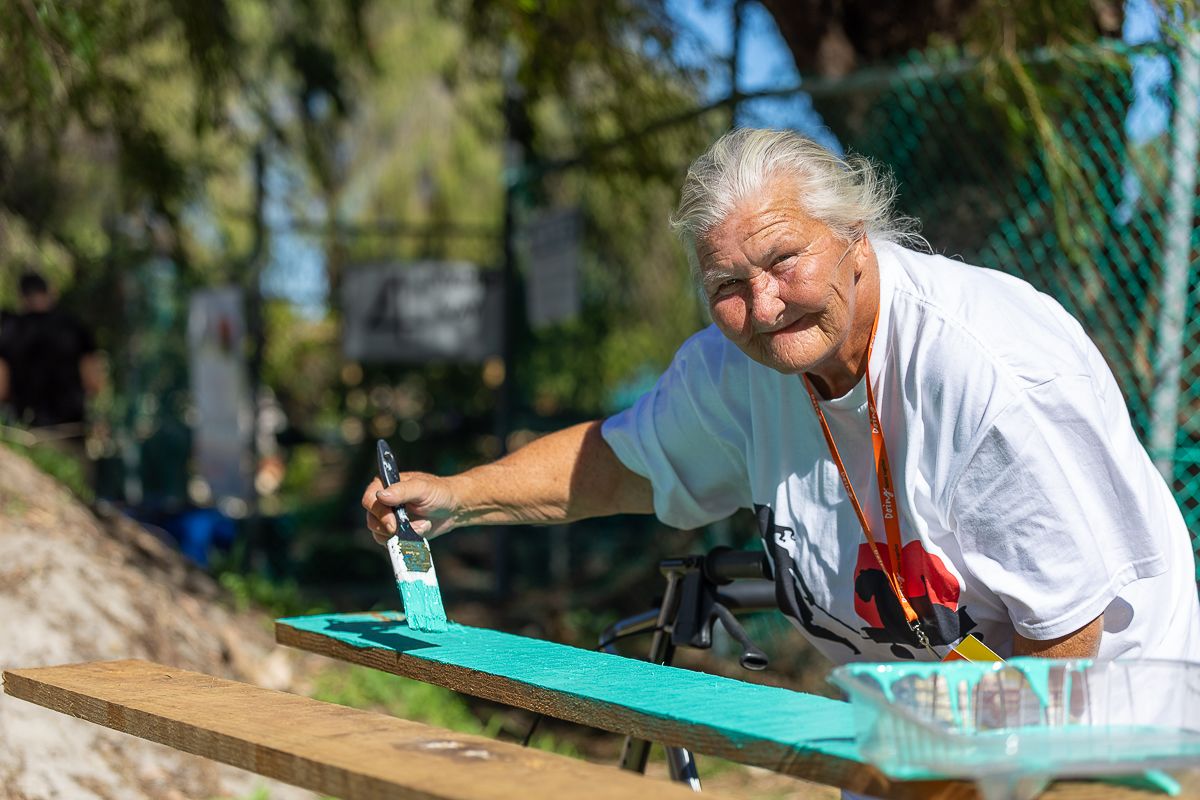
If you are curious about local doing, or already doing it, then join the movement of positive doers, supported by Doing Co. We think that everyone has the potential to be a local doer in their community, or a system shaper working professionally in governments, businesses or non-profits. Register to join our community and meet other people just like you.
If you'd like to explore how you could get involved and contribute, check out our article on roles and contributions in groups.