
For many, it is a time of fear, uncertainty and apprehension. The challenges of our time — climate change and resilience, physical and mental health, equity and inclusion — are global in scale and can often feel overwhelming. The most effective and catalytic solutions can often be found on the local level – our public spaces, streets and neighbourhoods.
What is placemaking?
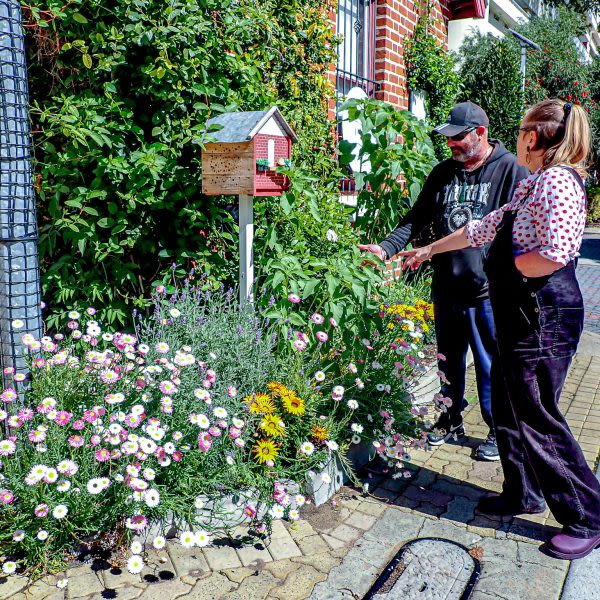
‘Placemaking’ is an iterative and collaborative process that brings people together to create positive changes in a place or area. This also includes improving existing spaces to make them more comfortable, accessible, active and attractive. It is a growing global movement that aims to improve not only the physical elements of a space, but also the way people think and feel about the world around them. It seeks to inspire active citizens.
Why is placemaking needed?
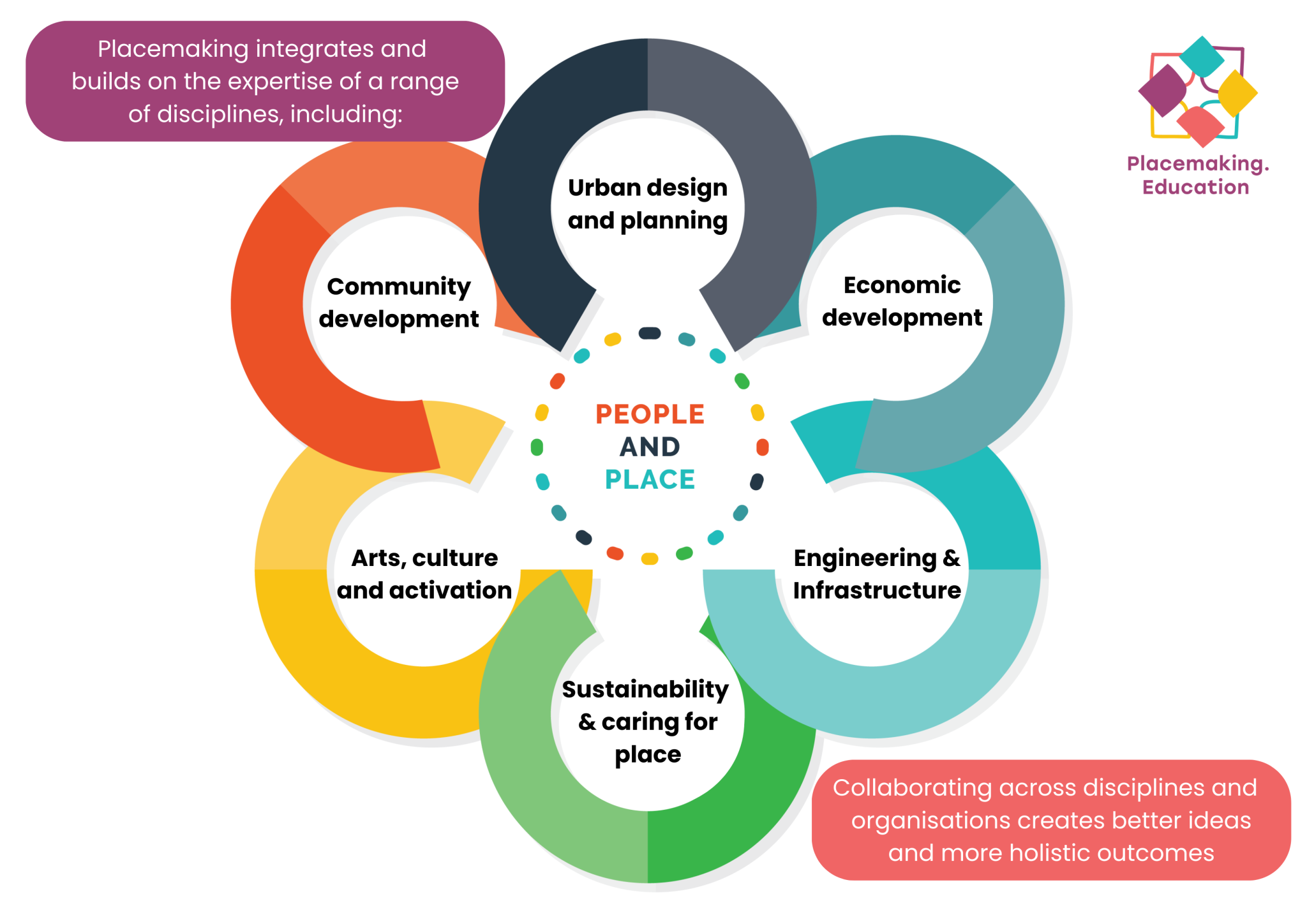
For many decades, the city-building professions have generally overlooked the role of public space as the fulcrum of great cities. Instead, they’ve trained their focus narrowly on buildings, businesses, roadways, infrastructure, and regulatory frameworks. From traffic engineers to economic development specialists, these professions have retreated into ‘silos’ that separate them from each other and can blind them to the overall needs of cities, their citizens and the natural world.
Each profession pursues narrow, disconnected goals that add up to far less than the sum of their parts. They also ignore the complexity of places, which are intricate and interconnected systems, just like diverse rainforests.
Placemaking is a response to the car-dominated, unattractive and unsafe environments found in many urban areas, but it also has deep roots reaching back to the way communities used to be created pre-World War 2. Modern cities are often not suitable habitats for nurturing healthy and thriving humans, let alone nature and native species. We can do so much better!
Some examples of placemaking
Placemaking promotes small, community-led actions right through to larger design or development ideas. There are so many examples, but here are some that blend human and social benefits with an environmental focus and outcomes.
Perth-based WA Loves Nature is not-for-profit organisation that promotes, and encourages the community to support, Western Australia’s unique and world-renowned biodiversity. They partnered with local Town Team, West Perth Local, to create the West Perth Bee Scene Trail.
The trail takes visitors around the central village of West Perth and aims to educate visitors about the importance of native bees. It is full of sculptures, art murals, bee hotels and wildflower gardens in an urban setting.
Native Bee Mural and Sculpture, West Perth
This beautiful mural below was created by Laeline Design and showcases some of the local native bee species and the plants you can plant to bring them into your garden.
The blue banded bee, Amegilla sp., sculpture was made and installed by Respoke and shows how the male bees roost at night by holding onto stems with their mandibles. The sculpture is within a native wildflower garden containing some of the bees favourite flowers like native wisteria (Hardenbergia comptoniana) and emu Bush (Eremophila nivea). There is also a large wooden bee hotel on the wall.
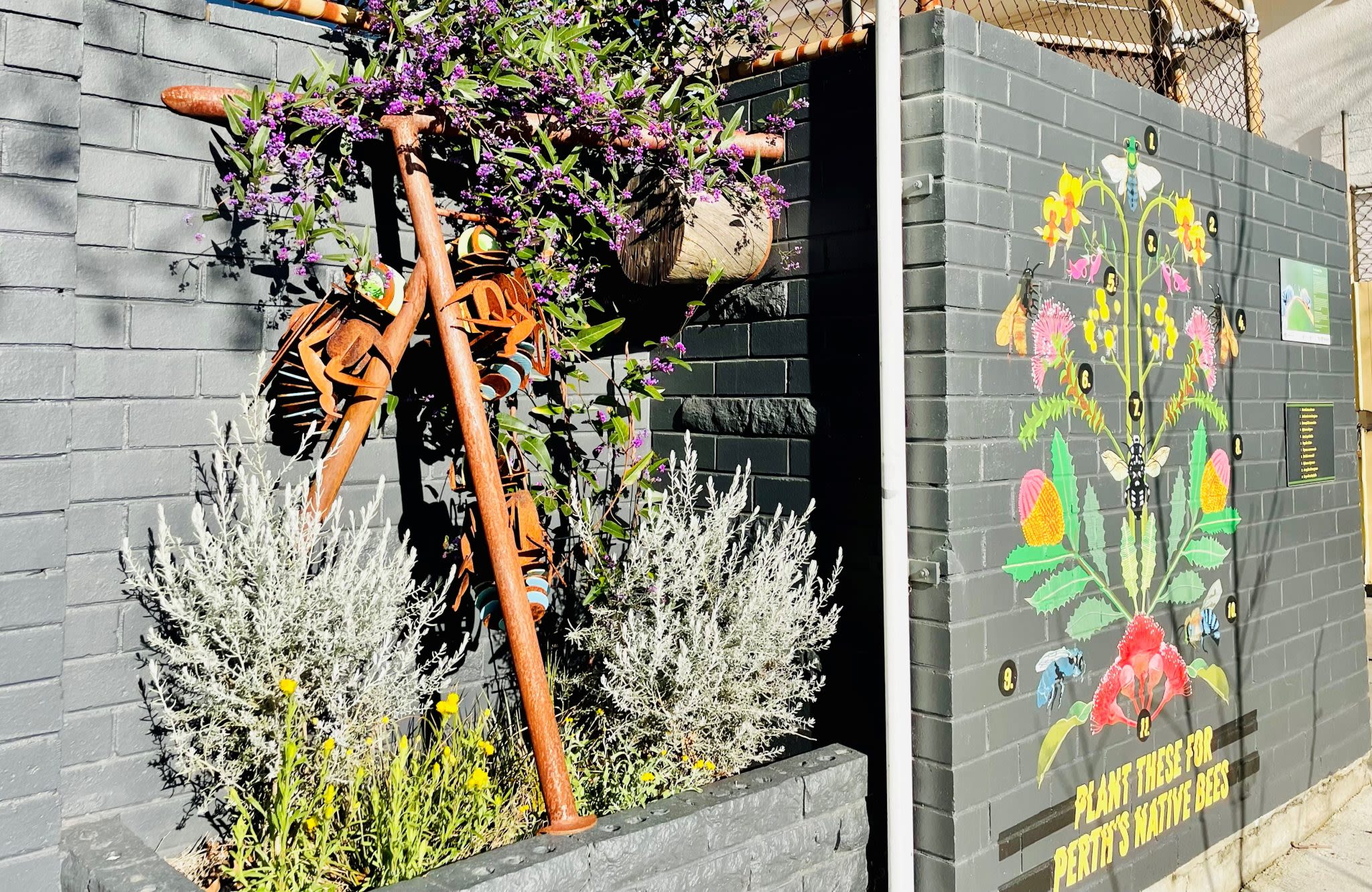
Photo credit: WA Loves Nature
The bee hotel below was designed to model the heritage-listed stables behind it. It has been orientated to receive morning sun and afternoon shade which is ideal for nesting bees. These hotels are not used by the European honeybee but native solitary bees such as leaf cutter bees and resin bees.

Photo credit: WA Loves Nature
You can do it too!
Anyone can be a placemaker. It’s matter of looking around you with new ideas, finding ideas that energise you and having a go! Placemaking encourages diversity and life in all its forms. It mixes things up.
How could you add nature back into social spaces?
How could you add social elements to natural areas? Connecting people to each other and the world around them can inspire more action.