


Show More
Objective Met: 1-4 Changes in attitude/behaviours reflection The Miami Village Heart project has had a meaningful impact on attitudes and behaviours in the FalconmTown Centre precinct, as observed during and after its completion. Here's an overview of changes noted across different user groups:
1. Safer Driver Behaviour • Before the Project: Drivers tended to speed past the precinct, with little consideration for pedestrian safety. The absence of visible crossing points and adequate signage exacerbated the issue. • After the Project: New line markings, pedestrian crossing points, and the parking bay redesign have prompted drivers to slow down and become more aware of foot traffic. The large-scale mural by ‘Shakey’ serves as a visual cue, subtly influencing driver behaviour to reduce speeds.
2. Increased Pedestrian Confidence and Safety • Before the Project: Pedestrians, especially youth and those with mobility challenges, expressed concerns about navigating the area due to potholes, broken footpaths, and unclear pedestrian zones. • After the Project: The revitalised footpaths and marked crossing points have created a more pedestrian-friendly environment. Residents have reported feeling safer when crossing or using the area.
3. Stronger Community Pride and Ownership • During the Project: Over 110 volunteers actively participated in planning and approvals, with 200 in total and the hands-on work of the makeover. This level of collaboration fostered a sense of pride and ownership among residents, business owners, and community groups. • After the Project: The community’s adoption of initiatives, such as maintaining the heart planters and garden beds, demonstrates ongoing stewardship and pride in their shared space.
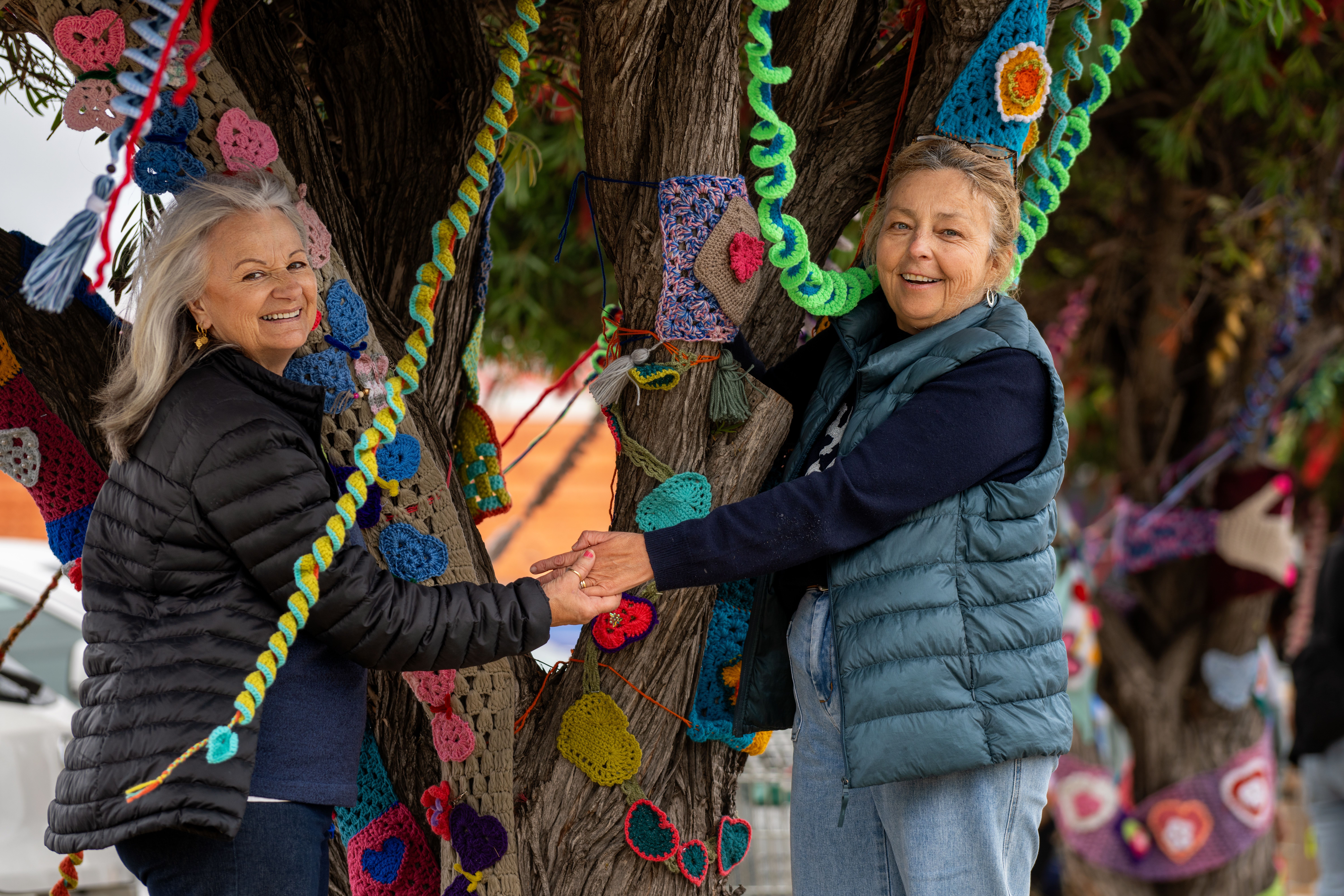
4. Increased Engagement and Foot Traffic • Before the Project: Miami Village was seen as uninviting, with limited aesthetic appeal and low community engagement. • After the Project: The beautification efforts, including greening, vibrant yarn bombing, and pavement art, have made the precinct more welcoming. Businesses report increased foot traffic and customer interactions, driven by the more attractive environment and community-focused improvements.
5. Youth Involvement and Creativity • During the Project: Youth were heavily involved in lobbying for funds towards street mural, painting street planters and creating a youth art competition, contributing a bright and youthful energy to the space. • After the Project: Youth are more engaged in their local environment, with some taking pride in pointing out their contributions to others. This involvement will likely result in reduced instances of vandalism.
6. Model for Collaboration and Advocacy The project has changed attitudes toward what the community can achieve when working collectively. The establishment of the South Mandurah Collective and partnerships with local businesses, artists, and council have shown that grassroots advocacy, when supported by strategic partnerships, can bring about tangible and impactful changes.